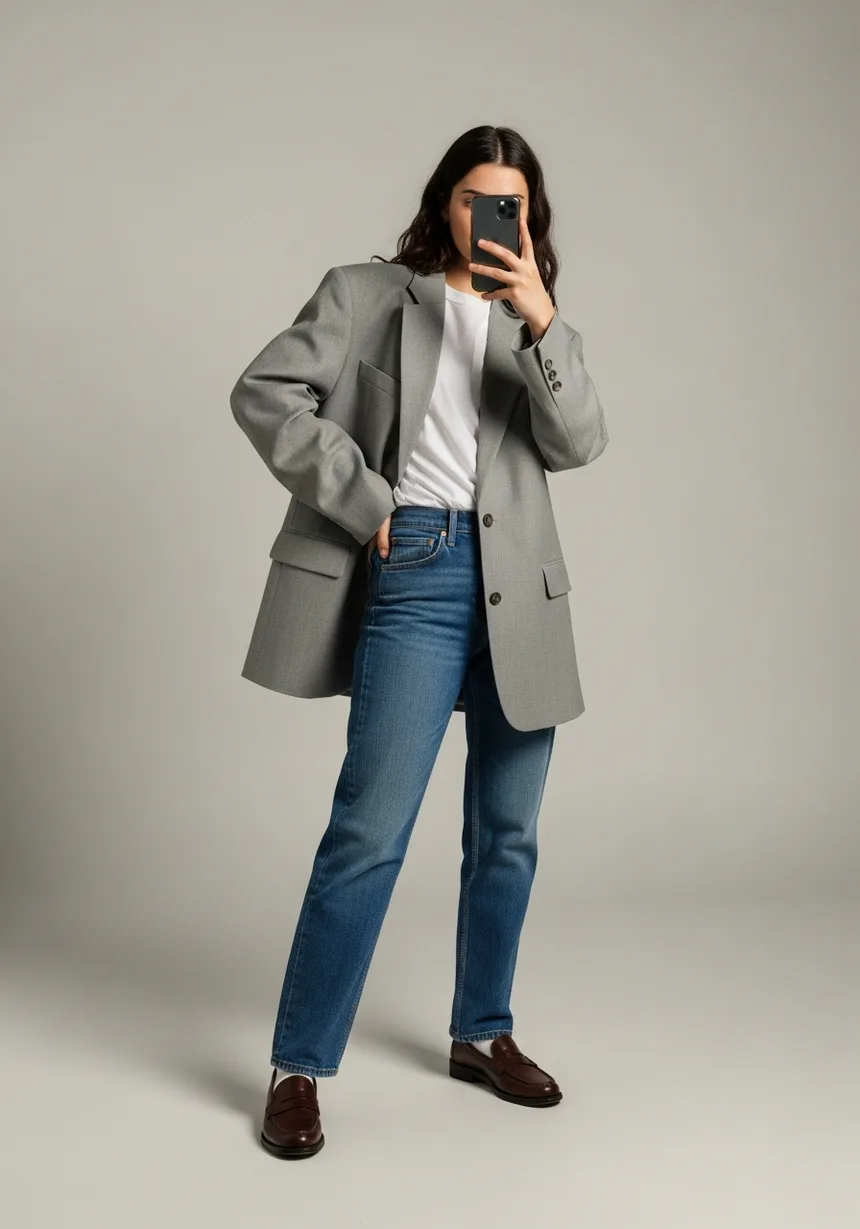
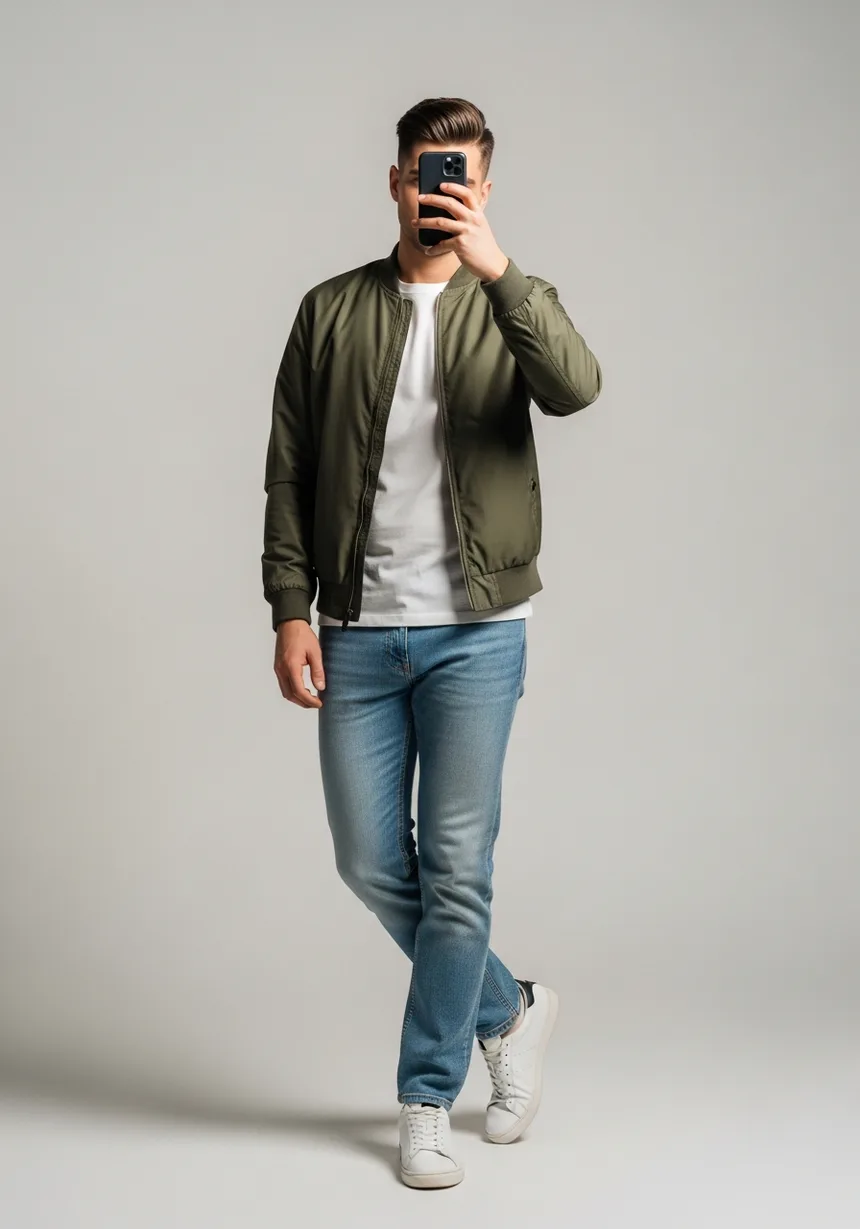
18°C outfits for women
A single long sleeve looks best here. One thin layer for the evening is all the outerwear you need.
What to reach for
This is a fabric-driven range — switching to linen or cotton reads better than adding thickness.
MILD
A single long-sleeve layer is perfect.


18°C is at the cooler end of the mild range (17–22°C); lean a notch warmer than the middle of this band.
In an average year, 18°C turns up in April, May, September and October. Those months share this temperature, so their outfits carry over directly.
Compared with 17°C you can drop a layer, and from 19°C upward you can leave the outer layer at home more often.
What 18°C feels like in different conditions
18°C is mild — a single long sleeve feels just right, and it may be the easiest temperature of the year to dress for. No heavy layers, no heat to worry about, so you can focus on fabric and silhouette.
A long-sleeve shirt or a thin knit is plenty; if the morning and evening turn cool, add a light cardigan or thin jacket, and that's it.
A single long sleeve looks best here. One thin layer for the evening is all the outerwear you need.
What to reach for
This is a fabric-driven range — switching to linen or cotton reads better than adding thickness.
Shirt weather, plainly. Bring an outer layer only for the evening breeze.
What to reach for
Skipping the outer layer entirely stings after sunset — a light shirt jacket is the most useful piece here.
What to avoid — A thick knit or coat runs hot by afternoon.
During the day, a single long sleeve is usually enough. If the morning–evening swing is big, carry one thin cardigan or jacket.
If you're active or the sun is strong, sure. Keep a thin layer handy for air-conditioning and the cooler evening.
Go thin. A heavy wool knit can feel warm in the afternoon.
A long sleeve on its own usually covers it. 18 degrees Celsius is the range where one thin cardigan in your bag handles both ends of the day without changing the outfit.