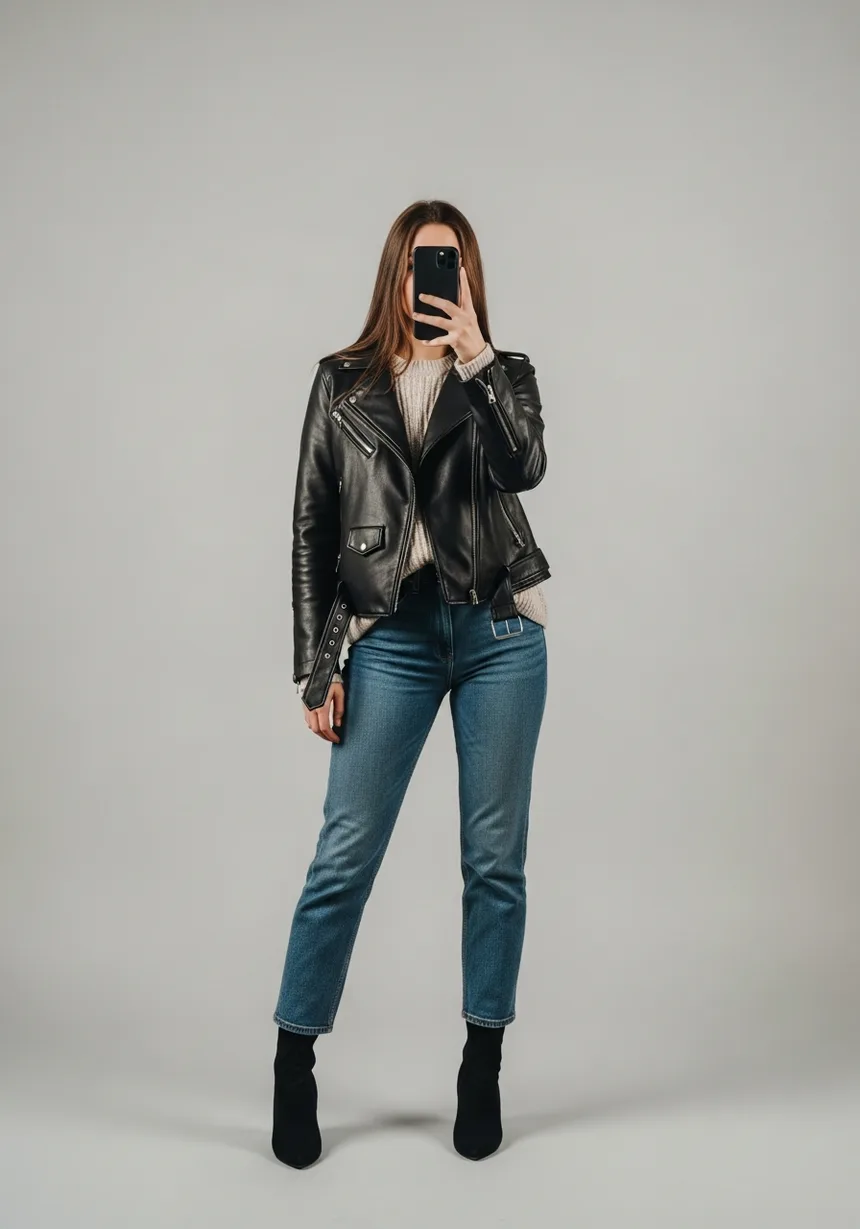
The same question comes back every year. “When do I pull out the puffer?” “How cold can a trench handle?” The calendar never answers it, because outerwear tracks temperature, not season. An 18°C day and a 4°C day in the same November ask for completely different coats.
Here is the range each piece actually covers.
1. Outerwear by temperature, at a glance
| Outerwear | Works at | What defines the range |
|---|---|---|
| Long puffer / heavy down | 0°C and below | Wind protection matters more than thickness |
| Short or lightweight puffer | 0–5°C | Assume a knit underneath as the default |
| Wool coat | 5–10°C | The base layer decides whether it's enough |
| Trench / field jacket | 10–16°C | The widest daily swing — easy on and off wins |
| Cardigan / light jacket | 16–22°C | The outer layer is an adjustment, not the outfit |
| No outer layer | 23°C and up | One thin layer, purely for air-conditioning |
2. Puffers — 0°C is the line
Most people reach for a puffer below 5°C. But 5°C and 0°C want different puffers. Around 5°C a short or lightweight one is plenty; below zero, length and a windproof shell matter far more than loft.
- 0–5°C — Short puffer over a knit. Two thin layers beat one thick one for bulk.
- Below 0°C — Long puffer. In sub-zero cold, covering neck, wrists and ankles does more than adding thickness.
3. Coats — a wool coat and a trench are not the same garment
We call both of them coats, but they sit more than 5°C apart. A wool coat is comfortable at 5–10°C; a trench at 10–16°C.
Wearing a wool coat below 5°C means the knit underneath has to do real work. Coats block wind poorly, so a windy day feels 3–6°C colder than the forecast — at 5°C with wind, dress as though it were 0°C.
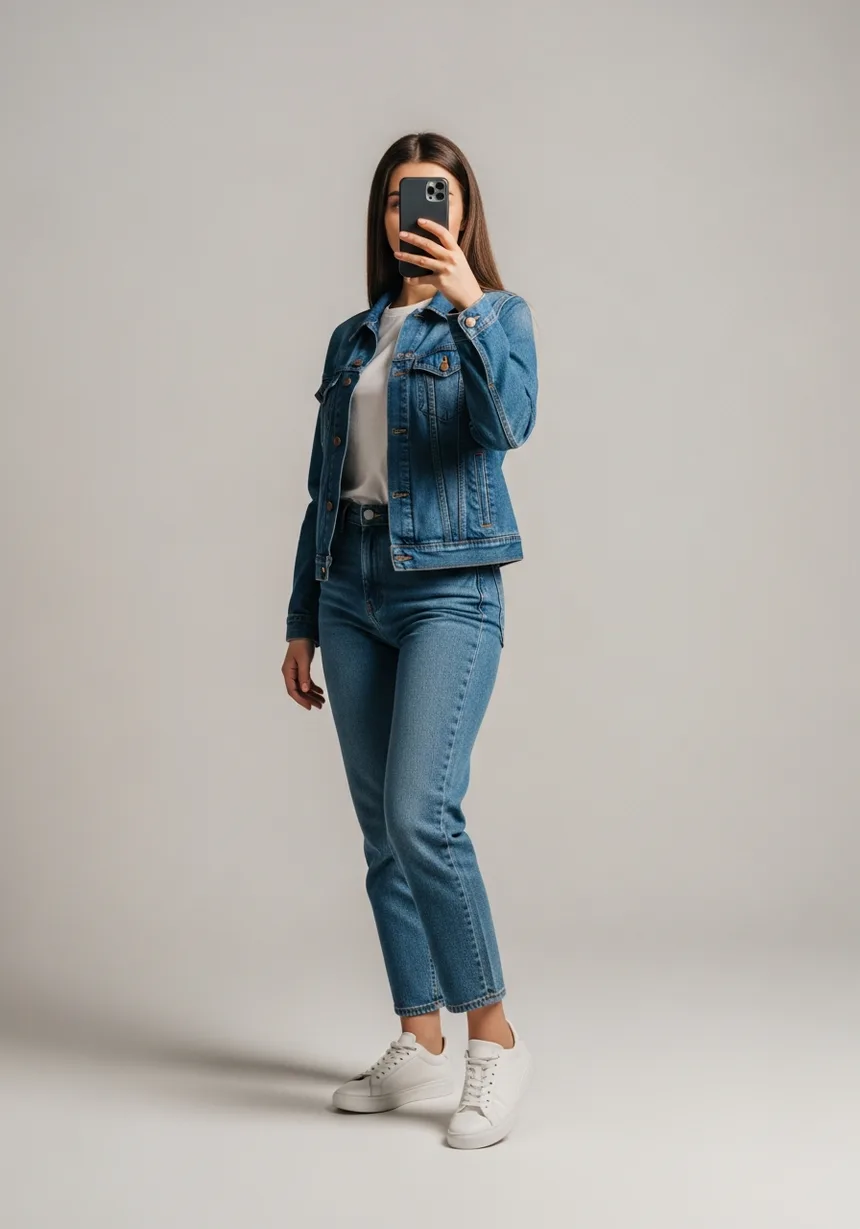
4. Cardigans and light jackets — when the outer layer is supporting cast
From 16–22°C, outerwear stops being the outfit. A single long sleeve carries the look, and the layer on top is insurance against mornings and air-conditioning. Whether it folds into your bag matters more than how warm it is.
5. Why the same temperature feels different to different people
“I wear a puffer at 10°C” — that is not wrong. Three things move the felt temperature by whole degrees.
- Wind — the biggest variable, roughly 1°C colder per 1 m/s. Covered in feels-like vs actual temperature.
- Activity — walking all day? Go a notch lighter. Standing or sitting? A notch warmer.
- Daily swing — when morning and afternoon differ by 10°C or more, no single coat works. See the low/high layering rule.